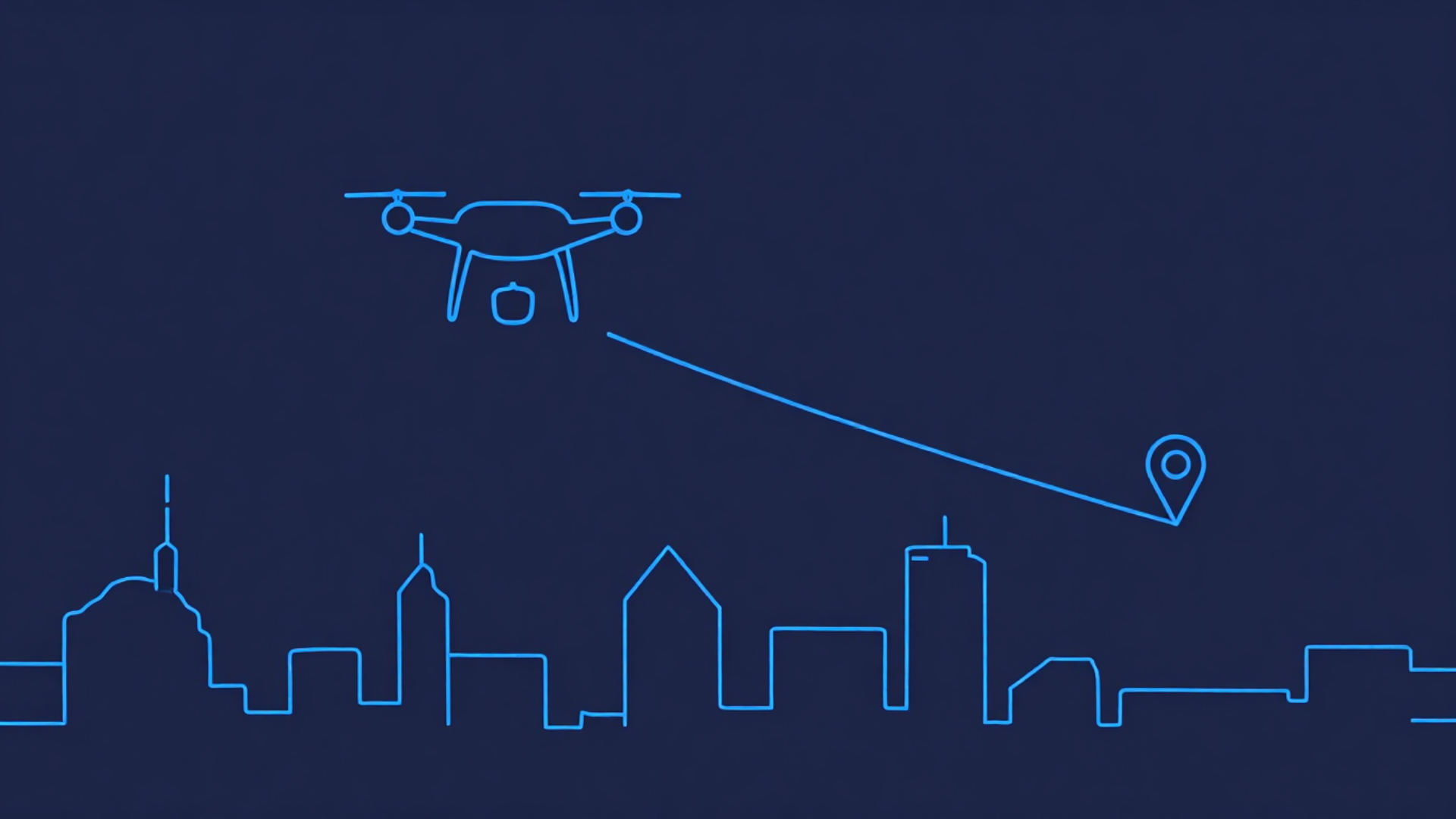
UC1 | Urban Digital Twin for Airborne Logistics
Exploring how AI-powered digital twins can support safer and more efficient drone operations in urban environments through intelligent route planning, real-time information and advanced simulation.

UC2 | Telco-Native AI Integration for the Cognitive Continuum
Investigating how telecommunications networks can dynamically share computing resources with AI applications, improving energy efficiency and supporting intelligent digital services.
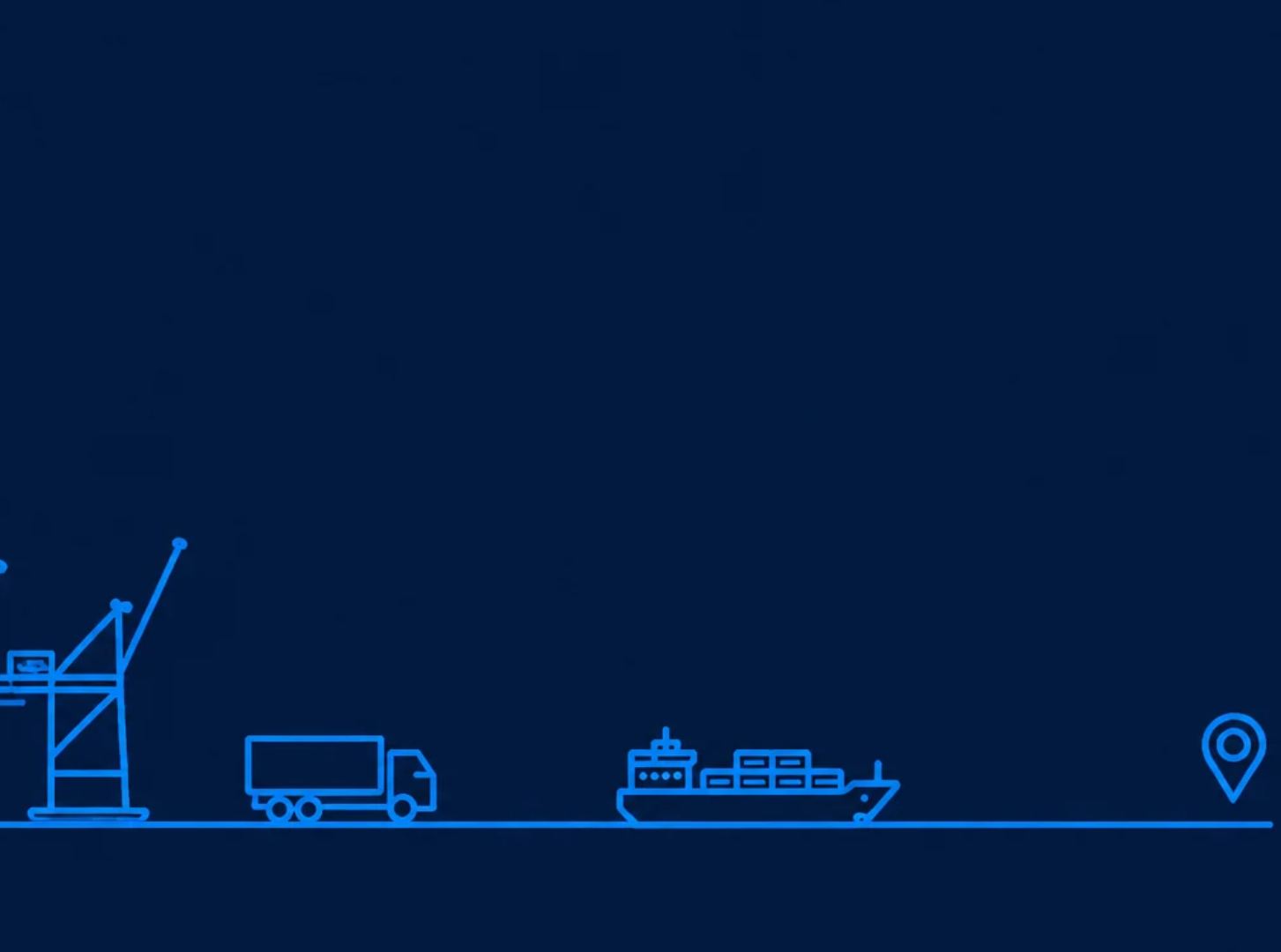
UC3 | AI-Driven Intra-Logistics Port Operations
Demonstrating how AI, advanced connectivity and intelligent resource management can support remote vehicle operations and automated asset tracking in busy port environments.
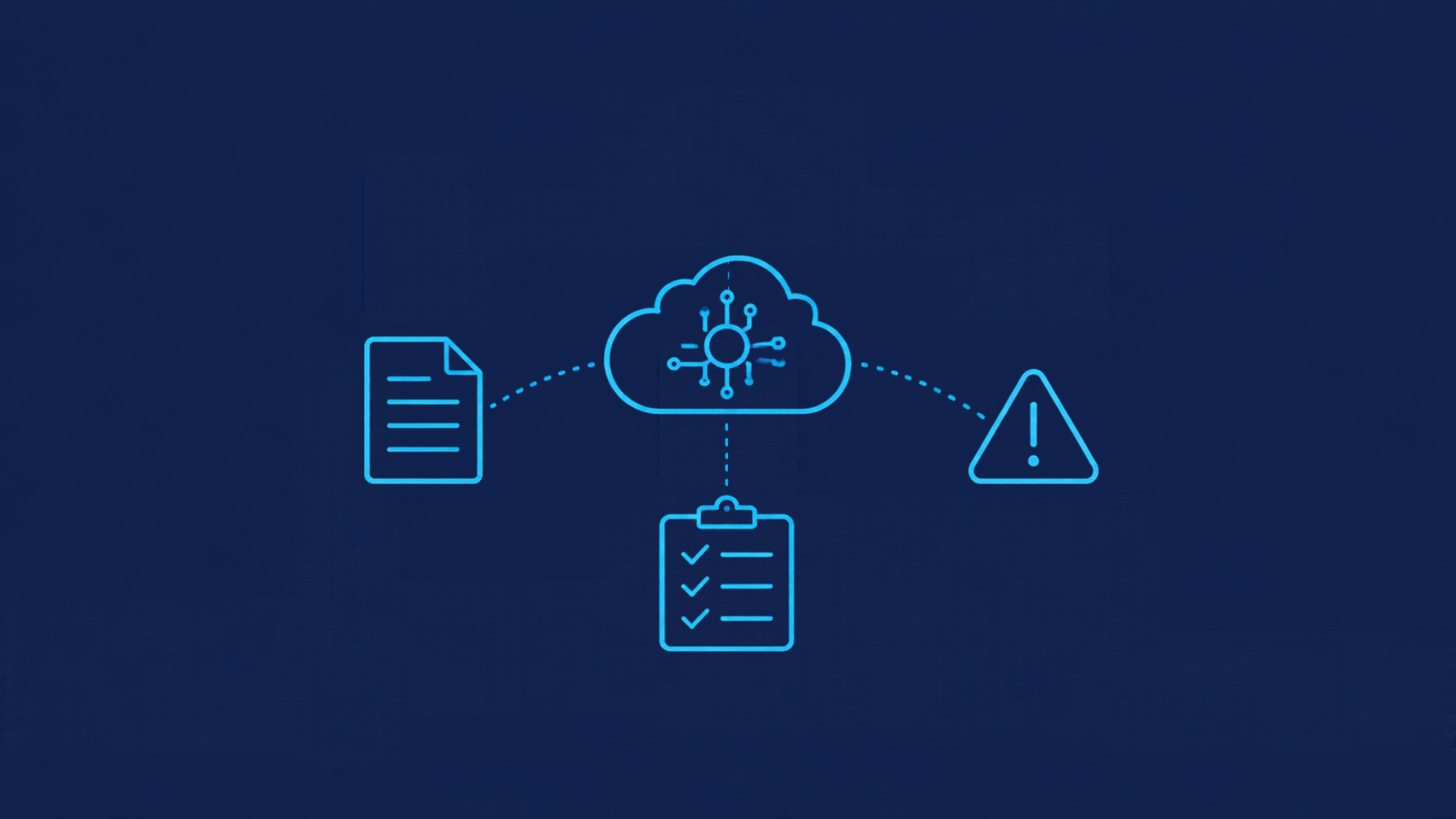
UC4 | AI-Driven Battery Management
Using AI to monitor industrial batteries, detect potential faults, support predictive maintenance and improve the reliability and efficiency of battery-powered operations.

UC5 | Agentic AI for Cross-Domain Legal Conformance
Developing an AI-powered assistant to help organisations understand regulatory requirements, prepare documentation and identify potential compliance issues.
UC1 | Urban Digital Twin for Airborne Logistics (Patras, Greece)
Enabling Smarter and Safer Drone Operations in Cities
As drones become increasingly important for delivery services, inspections and other urban applications, managing their safe operation in complex city environments presents new challenges. Buildings, changing weather conditions, restricted airspace and other aircraft must all be considered when planning and executing drone missions. The 3C4AI Urban Digital Twin use case explores how Artificial Intelligence and advanced digital representations of cities can support the next generation of urban airborne logistics.
The Challenge
Operating drones in densely populated areas requires accurate and continuously updated information about the surrounding environment. Drone operators must consider obstacles, airspace restrictions, weather conditions and potential risks to people and infrastructure. Traditional approaches often rely on separate information systems and computing resources, making it difficult to combine real-time information, advanced AI processing and operational decision-making. Furthermore, certain drone applications require extremely fast responses, particularly during navigation and critical flight operations. This creates a need for intelligent coordination between computing resources located close to the drone and more powerful remote systems.
The 3C4AI Approach
This use case will develop and demonstrate an AI-supported urban digital twin: a virtual representation of the city that combines three-dimensional geographical information with continuously updated data from drones, sensors and urban infrastructure. The digital twin will support intelligent services for drone navigation, mission planning and environmental awareness. AI-powered route planning will help identify suitable flight paths while considering safety requirements, restricted areas and environmental factors such as noise. Advanced visual positioning capabilities will support navigation in challenging urban environments where conventional satellite positioning may be less reliable. The use case will also explore how digital simulations and AI-generated urban representations can support the evaluation and improvement of drone technologies. 3C4AI will coordinate the computing and data resources required by these services across different infrastructures, allowing demanding AI tasks to be processed where resources are most suitable.
Expected Impact
The use case aims to contribute to safer, more reliable and more efficient urban drone operations. By combining digital twins with intelligent AI service management, it is expected to support better route planning, improved situational awareness and more responsive decision-making. It will also demonstrate how different stakeholders, including municipal authorities, drone operators and digital infrastructure providers, can collaborate through a shared technological environment. Ultimately, the use case will help explore how AI-enabled airborne logistics could become a practical component of future smart cities.
UC2 | Telco-Native AI Integration for the Cognitive Continuum (Ljubljana, Slovenia)
Making Telecommunications Networks Smarter and More Energy-Efficient
Modern telecommunications networks are evolving beyond their traditional role of providing connectivity. With increasingly powerful computing resources distributed throughout their infrastructure, telecom operators have an opportunity to support advanced AI services while improving network efficiency. This 3C4AI use case investigates how telecommunications and AI technologies can work together to create more adaptive, resource-efficient and intelligent digital infrastructures.
The Challenge
Telecommunications networks must continuously adapt to changing demand. Network traffic varies throughout the day, with periods of high activity followed by quieter hours when some infrastructure resources are underutilised. At the same time, AI applications require substantial computing capacity, often distributed across devices, edge computing facilities and cloud environments. Managing these resources separately can lead to unnecessary energy consumption, inefficient infrastructure utilisation and limited flexibility in deploying new digital services. The challenge is to coordinate network operations and AI computing requirements without compromising service reliability or connectivity.
The 3C4AI Approach
The use case will demonstrate how telecommunications infrastructure can dynamically share computing resources between network functions and AI applications. During periods of low network activity, unused resources can support AI services, while increasing demand triggers their reallocation to network operations. 3C4AI will intelligently coordinate these processes to optimise resource utilisation and energy efficiency. The use case will also explore AI-powered smart-city traffic monitoring, combining local processing of camera and sensor data with advanced analytics at the edge and in the cloud. AI-based automation will continuously adapt services to changing network and operational conditions.
Expected Impact
This use case aims to demonstrate how telecommunications operators can make more efficient use of their existing infrastructure while supporting emerging AI applications. Expected Impact include reduced energy consumption, improved computing resource utilisation and greater flexibility in deploying digital services. By combining telecommunications capabilities with intelligent AI orchestration, 3C4AI will contribute to the development of more sustainable networks and new opportunities for AI-enabled services, including smart-city applications.
UC3 | AI-Driven Intra-Logistics Port Operations (Barcelona and Madrid, Spain)
Supporting Intelligent and Connected Port Operations
Ports are essential gateways for international trade, bringing together complex logistics operations, transportation systems and digital services. As port activities become increasingly connected and automated, reliable communications and intelligent data processing are critical to maintaining efficient operations. The 3C4AI port logistics use case explores how Artificial Intelligence, advanced mobile networks and intelligent computing resource management can support the digital transformation of port environments.
The Challenge
Modern port operations depend on multiple interconnected systems, including vehicles, cameras, communication networks and logistics management platforms. Applications such as remote vehicle operation require reliable, low-latency communication, while AI-powered asset tracking relies on continuous processing of visual information. The demand for network bandwidth and computing capacity can change significantly depending on operational activity and the number of connected devices. When available resources become insufficient, service quality may be affected. At the same time, infrastructure and data may be managed by different organisations, creating additional challenges for coordination and secure information exchange.
The 3C4AI Approach
The use case will demonstrate two applications at the Port of Barcelona: remotely operated vehicles and AI-based asset tracking. Remote operation relies on reliable connectivity and real-time visual information, while AI-based tracking uses computer vision to monitor port assets. 3C4AI will intelligently coordinate computing and network resources, dynamically allocating capacity and bandwidth to maintain service performance. These capabilities will be demonstrated across interconnected port and telecommunications infrastructures, while respecting operational and data governance requirements.
Expected Impact
The use case aims to improve the flexibility, reliability and efficiency of digitally enabled port operations. By supporting dynamic allocation of network and computing resources, 3C4AI is expected to help maintain the performance of demanding applications even as operating conditions change. The results will also demonstrate how port operators and telecommunications providers can collaborate more effectively, creating opportunities for intelligent logistics services and supporting the wider digital transformation of European ports.
UC4 | AI-Driven Battery Management (Patras and Athens, Greece)
Improving Battery Safety, Reliability and Operational Efficiency with AI
Industrial batteries play a critical role in modern logistics, manufacturing and material-handling operations. Their performance, safety and reliability directly influence operational efficiency, equipment availability and maintenance costs. The 3C4AI battery management use case investigates how Artificial Intelligence and intelligent data processing can improve the monitoring, maintenance and management of industrial battery systems throughout their operational lifecycle.
The Challenge
Industrial battery systems generate large volumes of operational data, including measurements related to performance, operating conditions and battery health. When batteries are distributed across different facilities or used in mobile industrial equipment, collecting and analysing this information becomes more complex. Identifying potential faults early is essential for preventing unexpected failures and maintaining safe operations. However, traditional monitoring approaches may not fully exploit the available data to identify emerging problems or explain why failures occur. Centralised data processing can also introduce additional communication requirements and operational costs, particularly when information must be collected from many distributed battery systems.
The 3C4AI Approach
Developed with industrial battery manufacturer Sunlight, this use case will explore how AI can improve battery monitoring, fault detection and maintenance. Data from connected battery systems will be processed across local devices, edge and cloud environments to identify potential faults and support timely intervention. The use case will also investigate collaborative AI model development across industrial sites while maintaining control over data sharing. Generative AI will help analyse faults and provide understandable explanations to maintenance personnel. 3C4AI will intelligently coordinate these AI services to optimise performance, resource utilisation and operational efficiency.
Expected Impact
The use case aims to improve battery reliability, support earlier fault detection and reduce unnecessary maintenance and operational interruptions. More effective monitoring and data analysis may also contribute to extending battery service life and improving the efficiency of industrial equipment. By enabling intelligent processing of distributed battery data, 3C4AI will explore how advanced AI services can support more sustainable and cost-effective battery management in industrial and logistics environments.
UC5 | Agentic AI for Cross-Domain Legal Conformance (cross-cutting use case)
Simplifying Regulatory Compliance Through Intelligent AI Assistance
Organisations operating across different sectors must navigate an increasingly complex landscape of European, national and local regulations. Understanding applicable requirements, preparing documentation and keeping track of regulatory changes can demand significant time and specialised expertise. The 3C4AI legal conformance use case explores how intelligent AI assistants can support organisations in managing these responsibilities more efficiently, transparently and consistently.
The Challenge
Regulatory requirements often vary according to the sector, geographical location and type of activity being performed.For example, urban drone operations must consider aviation and local airspace rules, port logistics activities must comply with relevant operational and transport regulations, and industrial battery systems are subject to safety and environmental requirements. Organisations must identify which rules apply, interpret the corresponding obligations and prepare the necessary documentation. Regulations and administrative procedures may also change over time, creating an ongoing need to review existing processes and maintain accurate compliance information. These activities can be particularly challenging when operations involve multiple organisations or jurisdictions.
The 3C4AI Approach
This cross-cutting use case will develop an AI-powered legal conformance assistant to support regulatory analysis, documentation and compliance-related decision-making. The assistant will analyse relevant regulations and guidelines, identify applicable obligations, assist with documentation and monitor regulatory changes. It will provide clear explanations and references to relevant legal provisions, enabling users to review its recommendations. Supporting other 3C4AI use cases, including drone operations, port logistics and battery management, the assistant will promote more efficient and transparent compliance processes while maintaining appropriate human oversight.
Expected Impact
The use case aims to reduce the administrative effort involved in identifying regulatory requirements, preparing documentation and monitoring changes. By providing more accessible and understandable regulatory information, the AI assistant is expected to support better-informed operational decisions and improve consistency in compliance-related processes. Its application across different sectors will also demonstrate how AI-based regulatory assistance can support trustworthy innovation while maintaining appropriate human oversight. Ultimately, this use case will contribute to the broader 3C4AI objective of making advanced AI services not only more efficient and interoperable, but also more transparent, accountable and aligned with applicable regulatory requirements.